Why Soft Skills Matter in Education
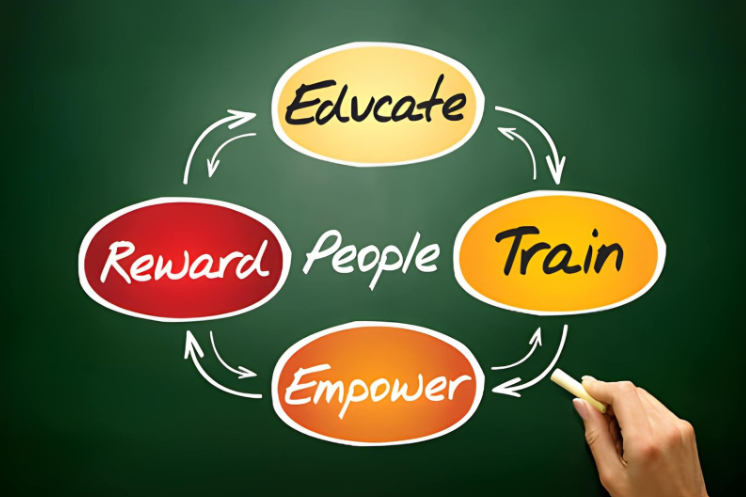
In today’s rapidly changing world, education is no longer only about memorizing facts, passing exams, or mastering technical knowledge. While academic achievement remains important, students also need the ability to communicate clearly, work well with others, solve problems, adapt to change, and manage emotions. These abilities are known as soft skills, and they play a vital role in helping learners succeed in school, the workplace, and everyday life.
Soft skills in education are becoming increasingly important because employers, teachers, and communities recognize that knowledge alone is not enough. Students must be prepared to think critically, collaborate effectively, and navigate complex social situations. By developing soft skills early, schools can help students become confident, responsible, and well-rounded individuals.
What Are Soft Skills?
Soft skills are personal and interpersonal abilities that influence how people interact, communicate, and work with others like Ga6789 đăng nhập. Unlike hard skills, which are specific technical abilities such as coding, writing, or solving mathematical equations, soft skills are broader life skills that apply across many situations.
Common examples of soft skills include:
– Communication
– Teamwork
– Leadership
– Problem-solving
– Critical thinking
– Time management
– Adaptability
– Creativity
– Emotional intelligence
– Conflict resolution
These skills help students build positive relationships, make thoughtful decisions, and respond effectively to challenges. In education, soft skills support both academic success and personal growth.
The Role of Soft Skills in Student Success
Soft skills matter in education because they directly affect how students learn and participate in the classroom. A student who can communicate well is more likely to ask questions, share ideas, and seek help when needed. A student with strong time management skills can complete assignments, prepare for exams, and balance school responsibilities more effectively.
Teamwork is another essential soft skill in education. Many classroom activities involve group projects, discussions, and peer learning. Students who know how to listen, contribute, and respect different opinions are more likely to succeed in collaborative environments.
Soft skills also support independent learning. For example, critical thinking helps students analyze information rather than simply accept it. Problem-solving allows them to approach difficult tasks with confidence. Adaptability helps them adjust when lessons, expectations, or circumstances change.
Soft Skills Prepare Students for the Future Workforce
One of the main reasons soft skills are important in education is their strong connection to career readiness. Employers consistently report that they value soft skills as much as, or sometimes more than, technical skills. A candidate may have excellent academic qualifications, but without communication, teamwork, and professionalism, they may struggle in the workplace.
Modern careers often require employees to collaborate across departments, present ideas, manage projects, and solve unexpected problems. These tasks require more than technical knowledge. They require emotional intelligence, leadership, and the ability to work with diverse groups of people.
By teaching soft skills in schools, educators help students prepare for future careers. Whether a student becomes a doctor, engineer, teacher, entrepreneur, or artist, soft skills will be essential for long-term success.
Communication Skills Build Confidence
Communication is one of the most valuable soft skills in education. Students need to express their thoughts clearly in speaking and writing. They also need to listen carefully, understand instructions, and respond respectfully.
Strong communication skills help students feel more confident in the classroom. They become more comfortable participating in discussions, giving presentations, and working with classmates. These experiences can reduce anxiety and encourage students to take an active role in their learning.
Good communication also improves relationships between students and teachers. When students can explain what they do not understand, teachers can provide better support. Likewise, when teachers encourage open communication, students feel heard and valued.
Emotional Intelligence Supports Well-Being
Emotional intelligence is the ability to understand and manage one’s own emotions while also recognizing the emotions of others. This soft skill is especially important in education because students face stress, pressure, social challenges, and personal growth throughout their Khuyến mãi Ga6789 academic journey.
Students with strong emotional intelligence are better able to handle frustration, resolve conflicts, and show empathy. They are also more likely to develop healthy friendships and maintain a positive attitude toward learning.
Schools that encourage emotional intelligence create safer and more supportive learning environments. When students learn to manage emotions and respect others, classrooms become more inclusive and productive.
Soft Skills Improve Problem-Solving and Critical Thinking
Education should not only teach students what to think but also how to think. Problem-solving and critical thinking are essential soft skills that help students analyze situations, evaluate options, and make informed decisions.
In the classroom, these skills allow students to approach complex assignments with creativity and persistence. Instead of giving up when they face difficulty, students learn to explore different solutions and learn from mistakes.
Critical thinking is especially important in the digital age. Students are exposed to large amounts of information online, and they must learn to identify reliable sources, question assumptions, and form their own opinions. Soft skills help them become responsible and independent thinkers.
How Teachers Can Develop Soft Skills in Education
Teachers play a key role in helping students build soft skills. These skills can be developed through everyday classroom activities and intentional teaching strategies.
Some effective ways to teach soft skills include:
– Group projects that encourage teamwork
– Classroom discussions that build communication
– Problem-based learning activities
– Peer feedback and reflection exercises
– Role-playing for conflict resolution
– Leadership opportunities in class
– Time management tools and goal-setting activities
Teachers can also model soft skills through their own behavior. When educators show patience, empathy, clear communication, and adaptability, students learn by example.
The Importance of a Balanced Education
A strong education system should focus on both academic knowledge and personal development. Hard skills may help students qualify for opportunities, but soft skills help them make the most of those opportunities.
A balanced education prepares students not only to pass tests but also to succeed in real-world situations. It helps them become better learners, better workers, and better citizens. This is why soft skills in education should not be treated as optional. They should be seen as essential.
Conclusion
Soft skills matter in education because they prepare students for success in school, work, and life. Skills such as communication, teamwork, emotional intelligence, adaptability, and critical thinking help learners grow into confident and capable individuals.
As the world continues to change, students need more than academic knowledge. They need the human skills that allow them to connect with others, solve problems, and face challenges with resilience. By making soft skills a core part of education, schools can give students the tools they need for a brighter and more successful future.